Prologue
The Marble Remembers
I was a slab of white marble when the mason bedded me into Pine Street. Since that day, I have counted every footfall that crossed my threshold.

A Documented Historical Narrative
The Story of 1822 Pine Street
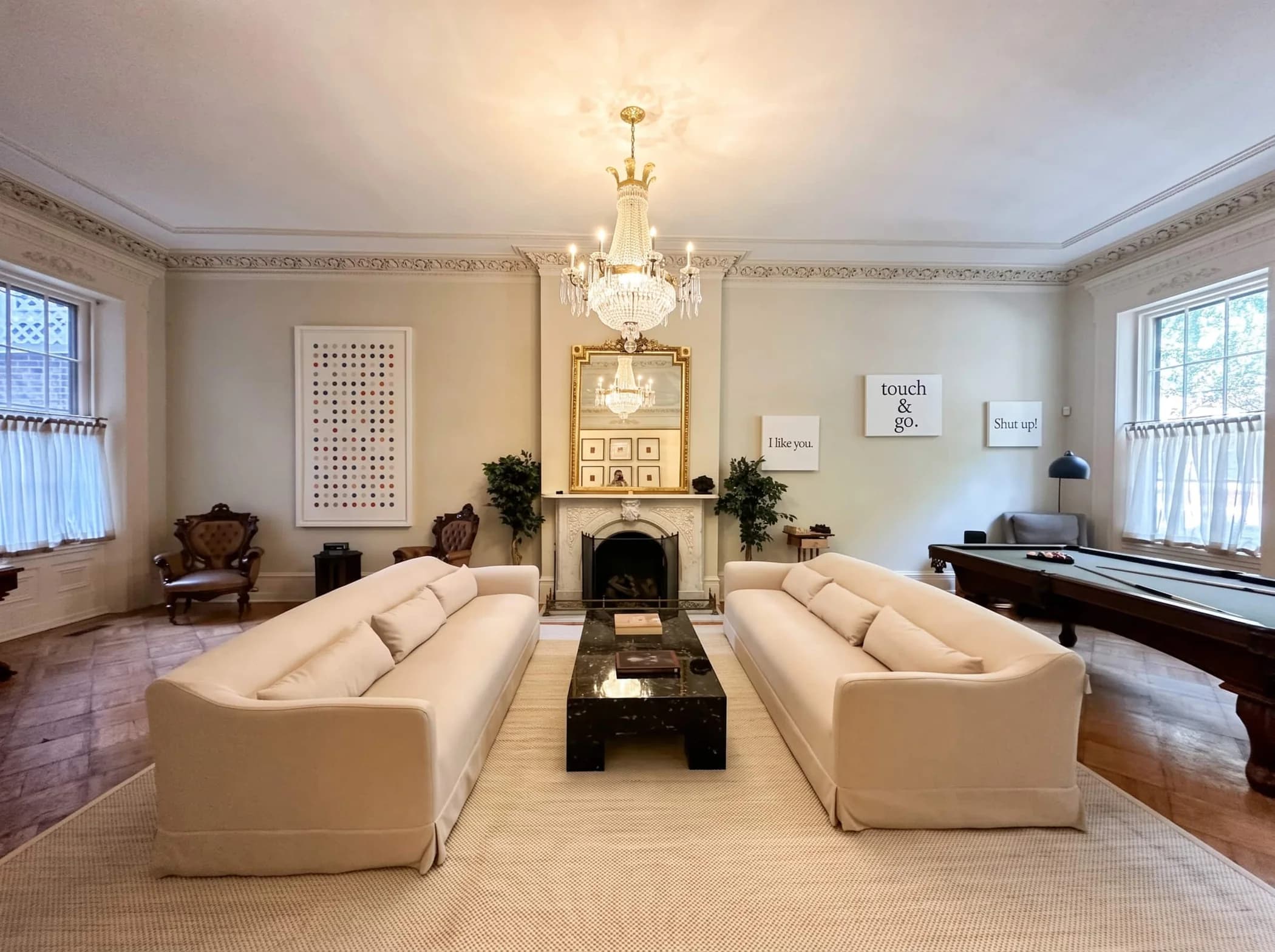
You're standing in a long, brick memory. For nearly two centuries, this house has watched Philadelphia transform—from the age of horse-drawn carriages to the digital era. It has hosted merchants and reformers, doctors and debutantes, suffragettes and society brides. Every room holds stories written in marble and mortar, documented in deeds and newspaper columns, preserved in the very fabric of its walls.
“I was a slab of white marble when the mason bedded me into Pine Street—cool under dust and hooves. Since that day, I have counted every footfall that crossed my threshold. This is my story, and yours.”
— The Threshold, 1822 Pine Street
Each chapter covers an era in the house's life, anchored by documented facts—deeds, newspaper notices, and building permits that specifically name 1822 Pine Street.

The Marble Remembers
I was a slab of white marble when the mason bedded me into Pine Street. Since that day, I have counted every footfall that crossed my threshold.

The Roset Years
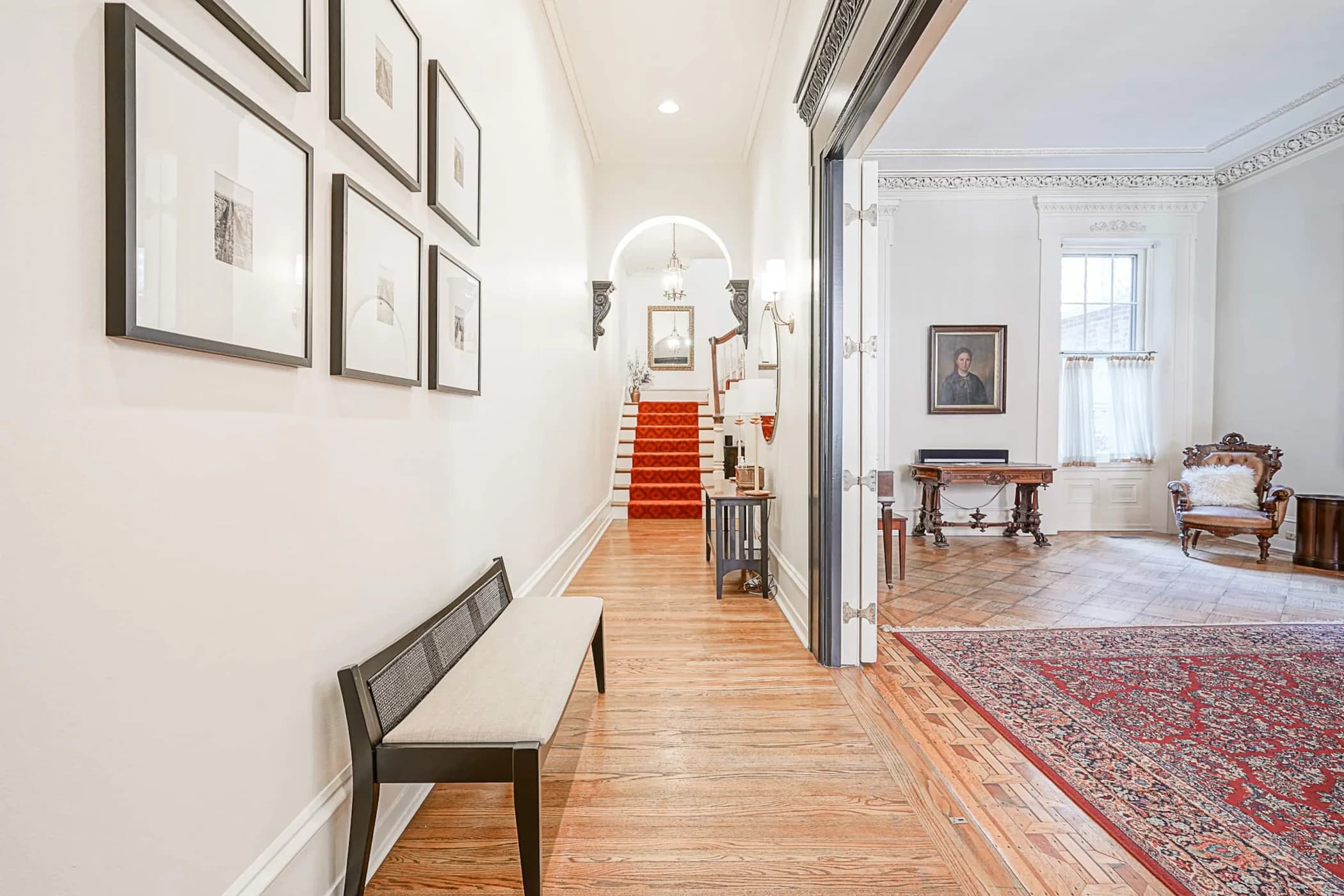
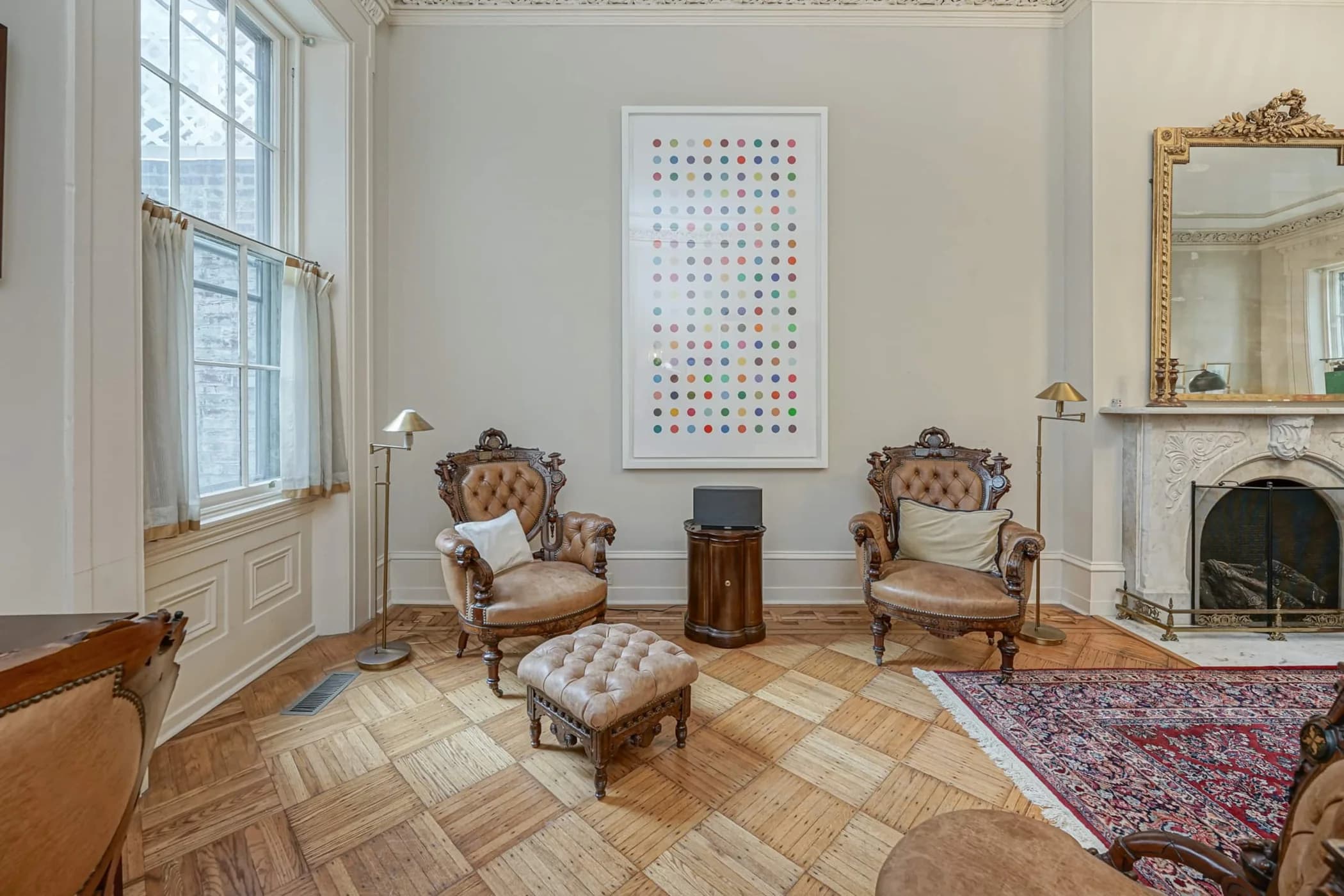
The house was built for ritual—for receiving callers, hosting weddings, mourning the dead. That DNA remains in every room.

The Spencer Transformation
Tragedy preceded transformation. After decades with the Rosets, the house changed hands and underwent a complete architectural reimagining.

Suffrage and Service
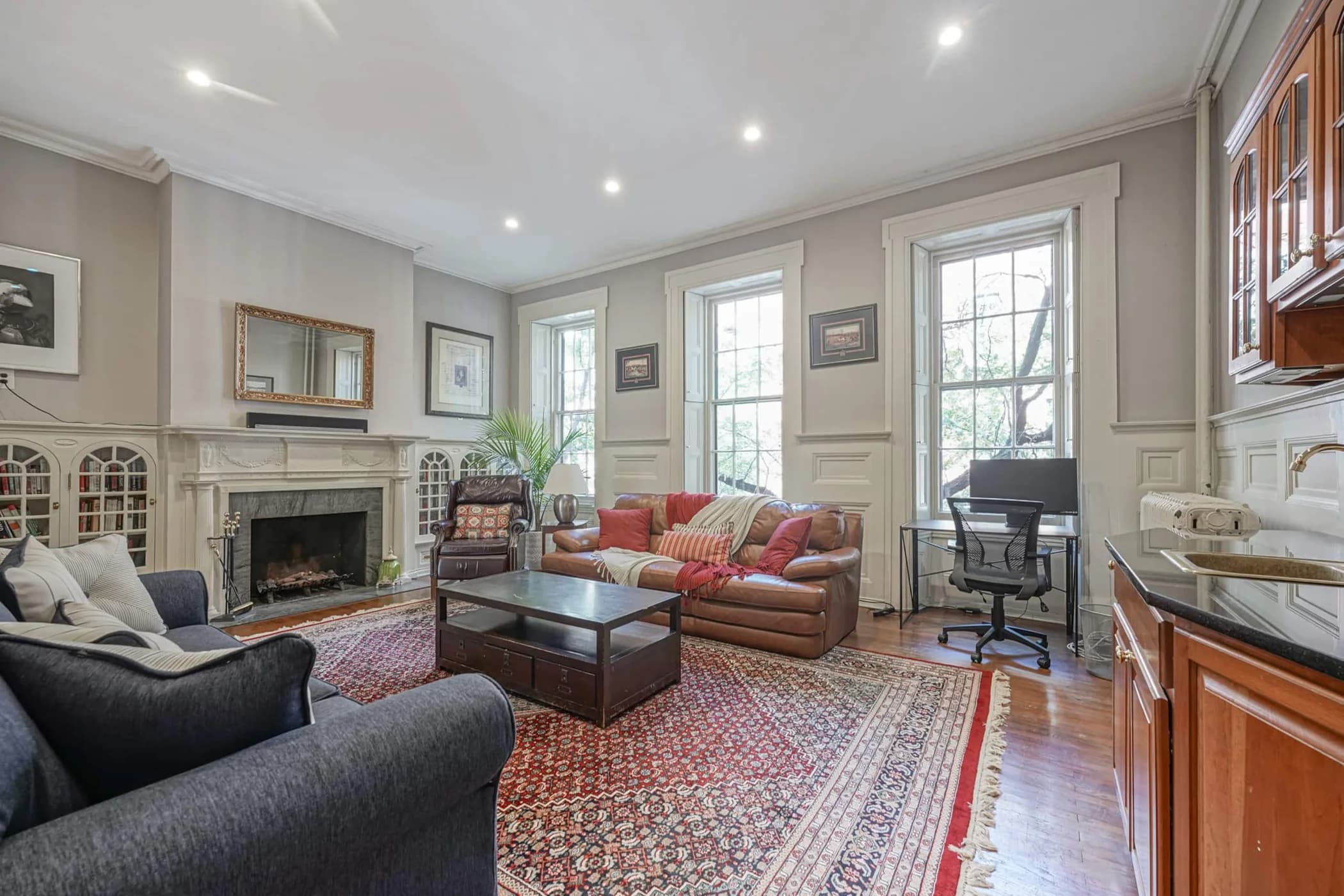
The double parlors that had hosted society teas became a headquarters for women's suffrage. History was made in these rooms.

A Self-Guided Tour
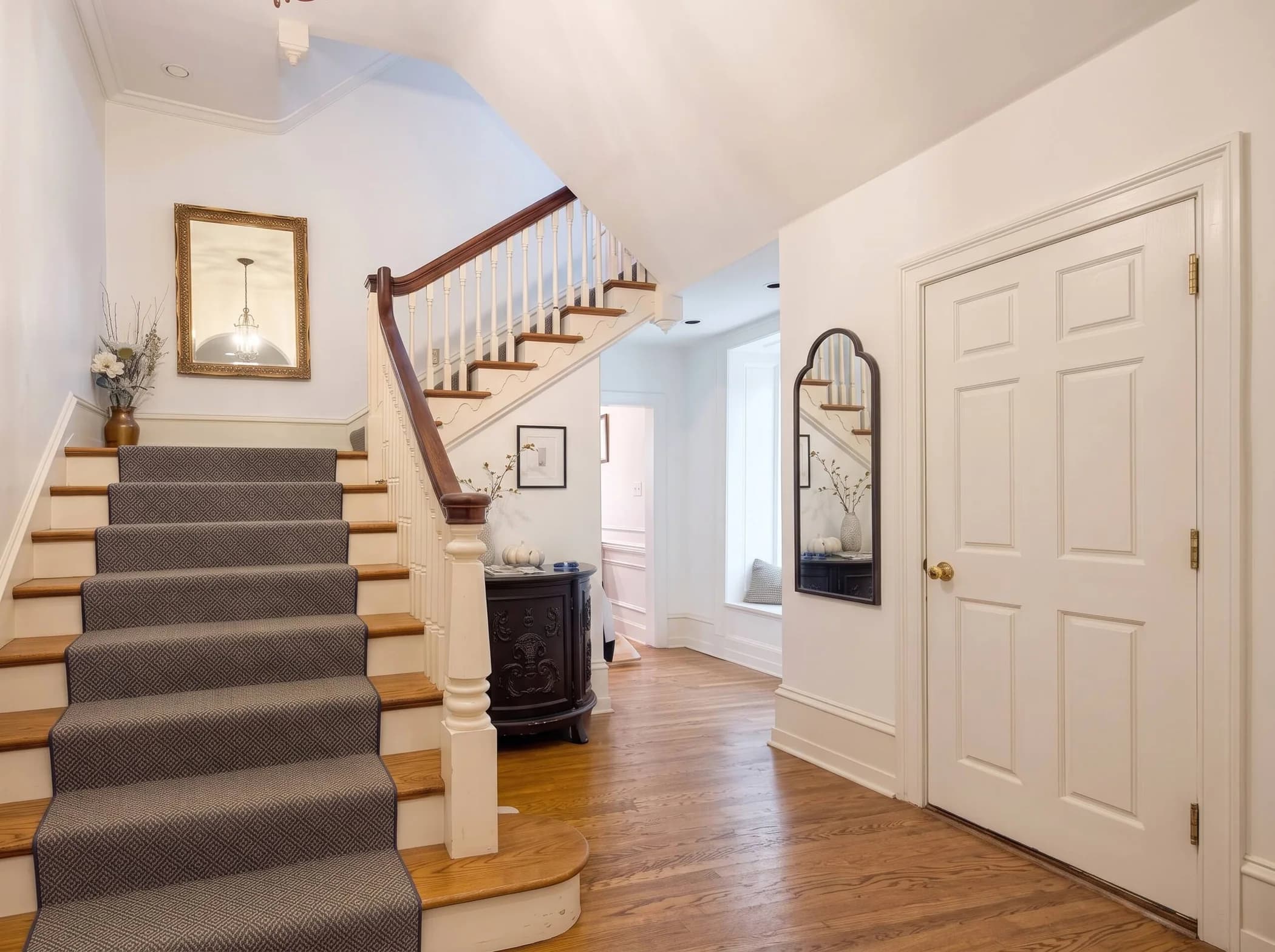
Every room has a history. Here's your guide to reading the stories written in marble, plaster, and light.

Salon and Surgery
The house learned to do double duty—society salon in the parlors, medical practice in the front rooms, family life flowing above it all.

Many Keys, One Address
The Depression and war years transformed grand houses into apartment buildings. Paradoxically, this practical adaptation preserved what demolition would have destroyed.

Restoration and Renaissance
From historic district designation to modern hospitality, the house returned to unified grandeur while honoring every layer of its past.

What Changed, What Endured
The house keeps score in stone—brick and marble forming a sober grammar of lintel and sill, with careful substitutions over 170 years that honored what came before.

A Field Guide to the Details
The house teaches itself to those who pay attention—by crossings and turns, by where sound gathers and where it slips away.

The Documentary Record
The house is made of dates as much as brick—every claim tied to a deed, a newspaper column, a directory listing that names this exact address.

Playbook & Floor-Flow
The old geometry holds: ceremony in front, effort along Waverly, celebration in between. The same plan that worked for Victorian weddings works for yours.

Winters in Town, Summers Away
The city turned on a hinge of weather—December parlors bright with callers, July shutters drawn against heat and dust. That rhythm shaped every era of this house.

Let the Marble Speak
The threshold remembers everything and judges nothing. Step up, step through, be part of the story.
House built by John McCrea, sold to Roset family
Spencer family acquires property
Major renovation by Duhring, Okie & Ziegler
Fireplace installed, still in use today
Suffrage activism documented at address
Apartment conversion preserves fabric
Historic district designation
The Rittenhouse Residence welcomes guests
“House at the Edge of the Square” tells the documented story of 1822 Pine Street, one of Philadelphia's most historically significant Rittenhouse Square properties. Every claim in this narrative is anchored by primary source documents—deeds, newspaper articles, building permits, and directory listings that specifically name this address. Where the record is incomplete, we acknowledge gaps; where family tradition suggests details we cannot yet prove, we mark them as probable pending verification.
This documentation draws from the Philadelphia City Archives, Historical Society of Pennsylvania, and extensive newspaper research. The house's connection to the Drexel banking family, documented suffrage activism, and architectural evolution through 170 years make it one of the most thoroughly documented historic homes in Center City Philadelphia.